What Heating And Cooling Services Fix In Unsafe Home Climate Systems?
Home
What Heating And Cooling Services Fix In Unsafe Home Climate Systems?


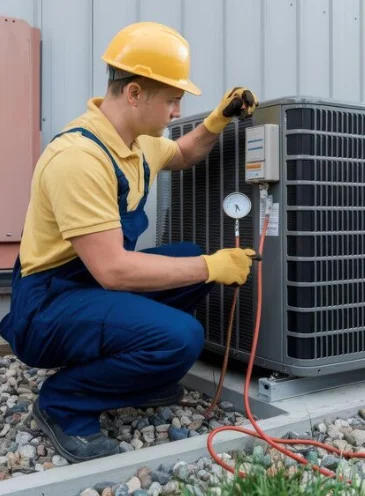
What Heating And Cooling Services Fix In Unsafe Home Climate Systems?
Home heating and cooling systems do not fail in one moment. They fail step by step inside hidden parts that most people never check. Small faults grow into heat stress, airflow blockages, and electrical strain. That is where heating and cooling services Columbus step in. They detect early warning signs, fix unsafe system behaviour, and stop fire and breakdown risks before they spread through the home.
Why Home Climate Systems Turn Unsafe Without Warning Signs
A home does not feel unsafe right away. The system usually keeps running while damage builds inside. Here is what really happens:
- Air starts moving more slowly through vents
- Internal parts stay hotter for longer cycles
- Sensors respond late or stop reacting
- Electrical load increases without visible alerts
So, the system looks normal from the outside, but internal stress keeps rising every hour of use. This hidden buildup is what makes climate systems risky over time.
Electrical Stress Points That Turn Safe Systems Into Fire Risks
Most fire-related HVAC problems start with the wiring and control components. The danger comes from small failures like:
- Loose electrical contacts that spark under load
- Worn insulation that exposes live wires
- Overheated relays that fail during peak demand
- Unbalanced power draw across system circuits
These issues do not shut the system down immediately. They build heat slowly in hidden zones. That is why HVAC services Columbus, OH, focus heavily on internal electrical diagnostics, not just surface repair. So, the system may still run, but fire risk keeps rising quietly in the background.
Airflow Breakdown That Pushes Systems Into Overheating Mode
Airflow controls system safety more than most homeowners realize. Once airflow drops, temperature rises fast inside sealed units.
Here is the chain reaction:
- Dust blocks filters and duct paths
- Air pressure increases inside the system
- Motors work harder to push restricted airflow
- Heat builds inside coils and mechanical parts
So, cooling systems struggle first, and heating systems follow the same pattern during winter cycles. This imbalance creates overheating zones that damage internal parts step by step.
Furnace System Failures That Carry The Highest Heat Risk Load
Heating systems work under constant high temperature and pressure, which makes them one of the highest-risk home systems. This is where furnace repair becomes critical. Technicians often fix:
- Delayed ignition that causes uneven flame cycles
- Dirty burners that disrupt safe combustion flow
- Blocked heat exchangers that trap excess heat
- Faulty limit switches that fail to shut down overheating
When these issues stay active, heat does not flow out safely. It stays inside the system instead. So, instead of controlled heating, the unit becomes a heat-trapped environment.
Cooling System Failures That Quietly Add Internal Heat Pressure
Cooling systems feel safer, but they carry their own risk path. Common failure points include:
- Frozen coils that block airflow completely
- Low refrigerant that forces longer operating cycles
- Weak compressors that overwork under normal demand
- Fan imbalance that disrupts temperature flow
So, cooling does not just reduce comfort. It increases the electrical load and heat inside the unit itself. That hidden heat stress is what slowly damages system safety.
How Heating And Cooling Services Break Risk Chains Early?
Repair work does not just restore function. It interrupts failure progression before it reaches danger levels. Professional technicians usually:
- Measure voltage stability across system circuits
- Test airflow strength through ducts and vents
- Clean internal dust buildup that traps heat
- Replace weak electrical and mechanical components
So, instead of reacting after damage, service work resets system stability early. That early intervention is what prevents fire-level conditions from forming.
Real Home Scenario: How Small HVAC Issues Escalate Fast?
Here is a simple real-world situation. A homeowner notices uneven cooling in one room. The system still runs, so it gets ignored. Inside the unit:
- Airflow drops due to a clogged filter
- Compressor runs longer to compensate
- Electrical components heat up repeatedly
- Safety sensors begin to respond late
After a few weeks, the system overheats and shuts down completely. So, what looked like a small comfort issue turns into a full system failure path. This pattern repeats in most unsafe HVAC breakdown cases.
Why Ignoring Climate System Issues Creates Bigger Risks Than Expected?
Small HVAC issues never stay small. They follow a clear escalation path:
- Reduced airflow leads to system strain
- System strain increases electrical load
- Electrical load creates overheating zones
- Overheating increases fire risk probability
So, delay does not save money or time. It increases both repair cost and safety risk at the same time. That is why fast response matters more than routine checks alone.
How Heating And Cooling Services Improve Long-Term Home Safety?
Proper service improves system safety across multiple layers, not just one repair point. Key improvements include:
- Stable airflow across all rooms
- Balanced heating and cooling cycles
- Reduced electrical strain on internal parts
- Early detection of fire-risk conditions
- Longer system life with fewer breakdown failures
So, the home stays safer, more stable, and more predictable during all seasons. It also reduces sudden breakdowns that interrupt daily comfort. Plus, it keeps energy use balanced so the system does not overwork unnecessarily.
Book Now
Why Preventive Service Beats Emergency Repair Every Time?
Emergency repair fixes damage after it appears. Preventive service stops damage before it grows. Preventive HVAC care:
- Finds weak electrical points early
- Removes airflow restrictions before overheating starts
- Tests system load under real working conditions
- Fixes small faults before failure chains begin
So, instead of reacting to breakdowns, the system stays controlled throughout the year. That is where real safety improvement happens. It also helps homeowners avoid costly emergency repairs and last-minute stress.
Summing Up
Heating and cooling systems do not become unsafe suddenly. They move through slow internal changes involving airflow loss, electrical stress, and heat buildup. That is why heating and cooling services Columbus play a key role in stopping hidden risks early, stabilizing system performance, and preventing unsafe climate conditions inside homes.
Frequently Asked Questions
(1) What do heating and cooling services actually fix?
They fix airflow issues, electrical faults, overheating systems, and hidden mechanical problems inside home climate units.
(2) Why do HVAC systems become unsafe over time?
They become unsafe due to dust buildup, electrical stress, airflow blockage, and unnoticed internal overheating problems.
(3) Can small HVAC issues really cause fire risks?
Yes, small wiring faults and overheating components can slowly develop into serious fire hazards inside systems.
(4) How do heating and cooling services prevent breakdowns?
They detect early faults, clean airflow systems, test electrical loads, and replace weak components before failure occurs.
(5) How often should HVAC systems be checked?
Experts recommend seasonal inspections to catch early warning signs and maintain safe, stable system performance year-round.
Recent Post


02 September 2026

02 September 2026